


Essay · Philosophy
On being wrong well
To err is human; to err gracefully is a discipline worth a lifetime of practice.
1 min read
Every essay we publish, gathered by genre — from philosophy and mind to society, science, culture and history.
To err is human; to err gracefully is a discipline worth a lifetime of practice.
1 min read

What we choose to notice is already a moral act, long before we decide to act on it.
1 min read
Noise is the texture of modern life, but clear thought needs the spaces between words.
1 min read

Certainty feels like strength. More often it is a quiet failure of imagination.
1 min read

A life organised entirely around targets may be a life that is never actually lived.
1 min read

The myth of the solitary genius collapses the moment you ask where an idea actually comes from.
1 min read

The sleeping brain is a restless, compulsive narrator. We are only its audience.
1 min read

Moods are not interruptions of thought. They are its climate, its prevailing wind.
1 min read
How the economy of distraction quietly rewires not just what we do, but what we want.
1 min read
What neuroscience and poetry both know about the moment a recollection slips away.
1 min read

The empty hour we dread may be exactly the one the mind most needs.
1 min read

Mourning has a syntax. Learning to read it may be the first step toward speaking again.
1 min read

Shared things are easy to lose and very hard to rebuild once they are gone.
1 min read

How we built environments that quietly make solitude the default condition.
1 min read
Maintenance, not invention, is what actually holds a shared world together.
1 min read

On borders, drawn from the perspective of the people who live astride them.
1 min read

Standing in line is a small, daily negotiation about what fairness actually means.
1 min read
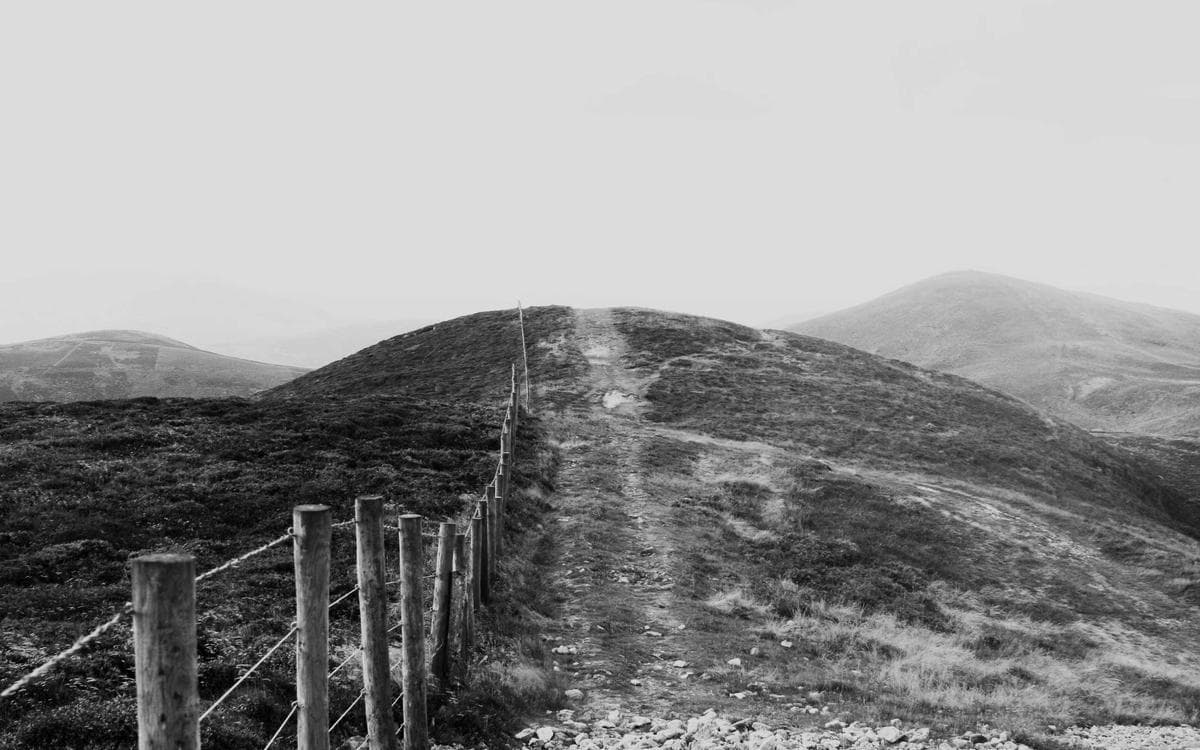
When a place demolishes its own memory, who inherits the silence left behind?
1 min read

Why your vivid sense of the visible world is, in the end, a very useful fiction.
1 min read

Geology asks us to imagine durations the human mind instinctively resists.
1 min read

Decision-making without a brain, and what a yellow mould can teach the rest of us.
1 min read

The humble mineral that built empires, preserved armies and broke civilisations.
1 min read

It is under no obligation to make sense — and yet it keeps almost doing so.
1 min read
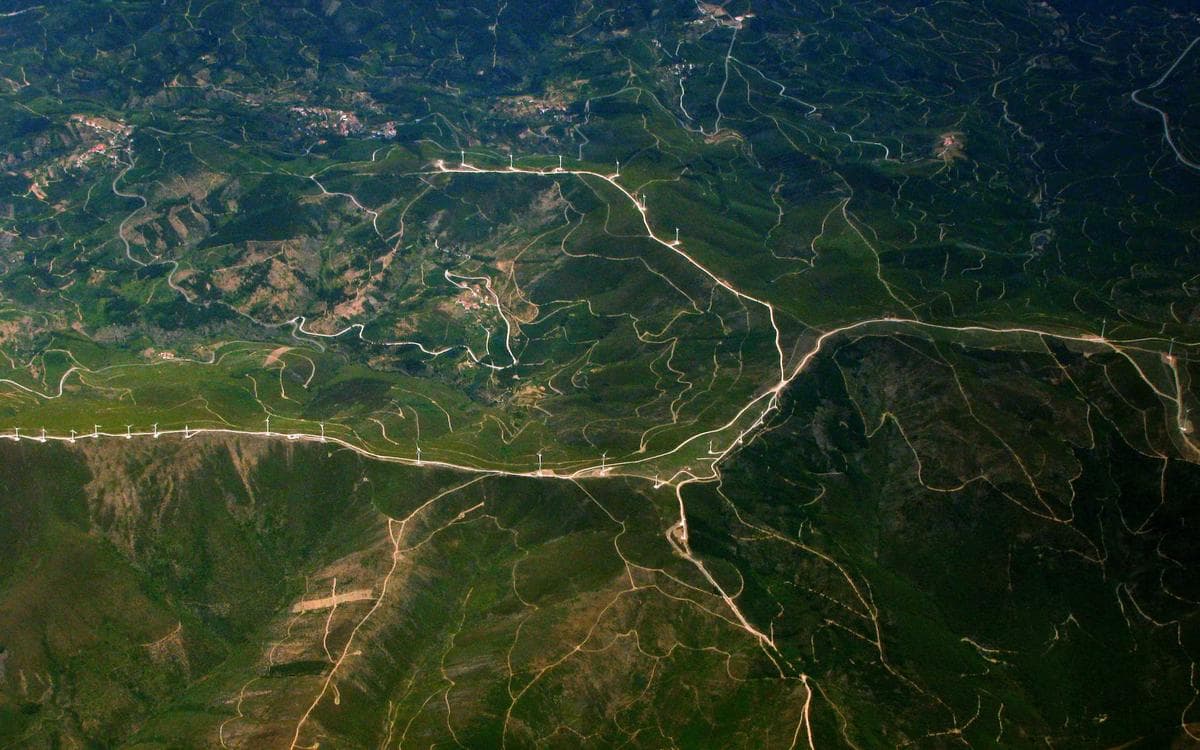
A river is not a thing but a verb. Hydrologists are learning to read its long sentences.
1 min read

The grid we now live by was a contested argument long before it became a fact.
1 min read
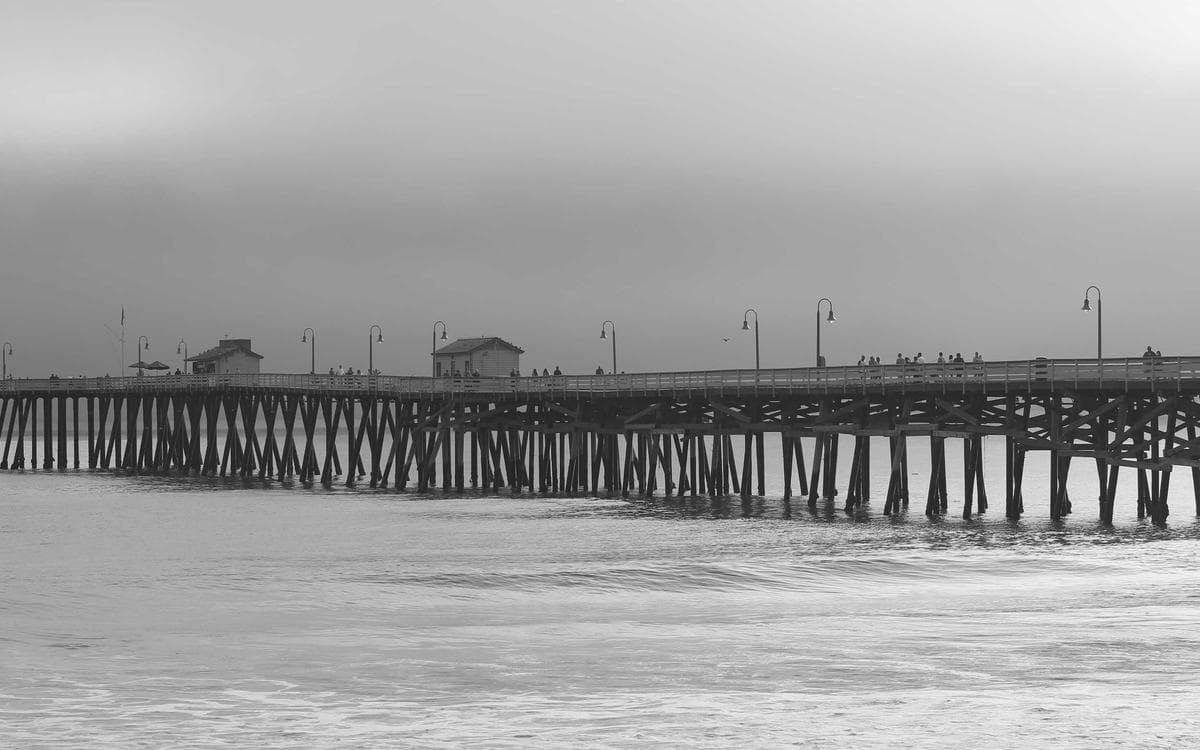
Before the recording, a piece of music was something you could never hear twice.
1 min read

Why the objects we throw away often say the most about who we really were.
1 min read

Every crossing between languages is a small act of loss and quiet invention.
1 min read
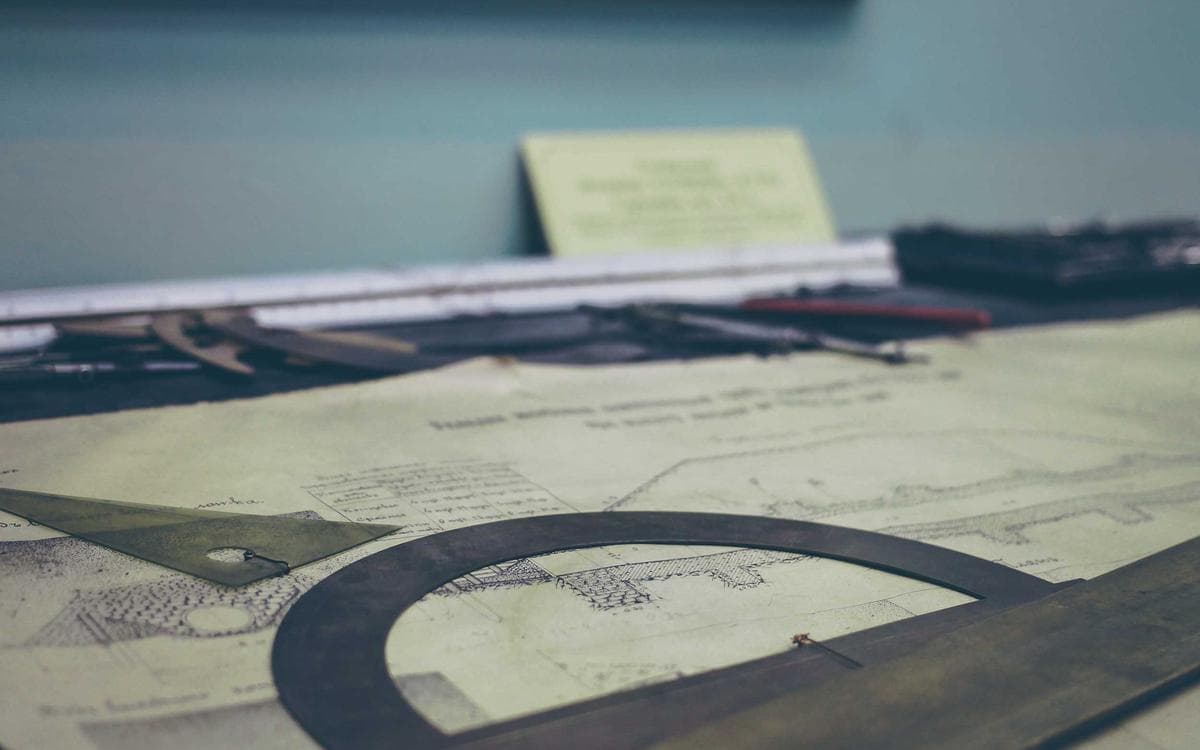
An illustrated story about a woman who maps the geography of her own insomnia.
1 min read
The work a hard text demands of you is not the obstacle. It is the entire point.
1 min read

A melody outlives its singer, its language, sometimes even its meaning. What survives?
1 min read
The intimate, unofficial lives hidden inside the driest of official documents.
1 min read
How the masses stopped being a backdrop and became modern history’s main character.
1 min read

What can cross a border in a single suitcase, and what is always left at the line.
1 min read
Societies decide, often quite deliberately, what they will allow themselves to remember.
1 min read

The grid we now live by was a contested argument long before it became a fact.
1 min read
Empires kept meticulous accounts. Read against the grain, they reveal the hidden cost.
1 min read